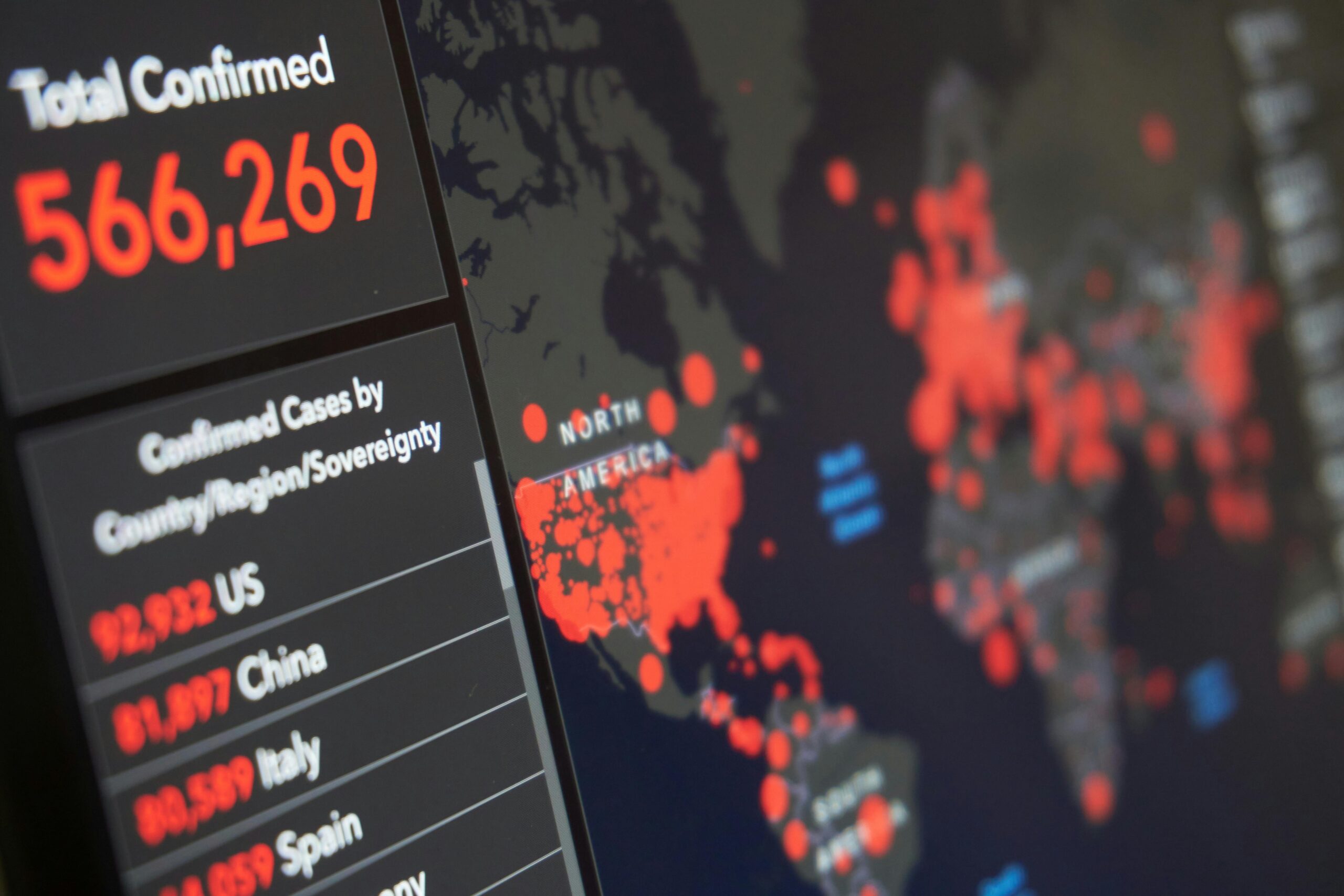
Modern industries are transforming operations through intelligent dashboard systems that predict equipment failures before they occur, saving time and resources.

🎯 The Revolution of Predictive Maintenance Through Visual Intelligence
The industrial landscape has undergone a dramatic transformation over the past decade. Where reactive maintenance once dominated—waiting for equipment to fail before taking action—today’s forward-thinking organizations leverage sophisticated dashboard technologies to anticipate problems before they impact operations. This shift represents more than just a technological upgrade; it’s a fundamental reimagining of how businesses approach equipment reliability and operational efficiency.
Dashboards have evolved from simple data visualization tools into comprehensive command centers that synthesize massive amounts of sensor data, historical patterns, and real-time metrics. These systems continuously monitor equipment health, identify anomalies, and alert maintenance teams to potential failures days or even weeks before they occur. The result is a proactive maintenance culture that minimizes downtime, reduces repair costs, and extends asset lifecycles.
Understanding the Foundation: What Makes Fault Prediction Dashboards Effective
At their core, effective fault prediction dashboards combine three essential elements: comprehensive data collection, intelligent analytics, and intuitive visualization. These components work in concert to transform raw sensor readings into actionable insights that maintenance teams can immediately understand and act upon.
Data Collection and Integration Architecture
The foundation of any predictive dashboard begins with robust data collection. Modern industrial equipment generates enormous volumes of operational data through sensors monitoring temperature, vibration, pressure, acoustic emissions, and dozens of other parameters. The challenge isn’t collecting this data—it’s integrating information from diverse sources into a unified system that provides context and meaning.
Successful dashboard implementations connect to programmable logic controllers (PLCs), supervisory control and data acquisition (SCADA) systems, enterprise resource planning (ERP) platforms, and specialized condition monitoring equipment. This integration creates a comprehensive view of asset health that considers not just individual component performance but also operational context, maintenance history, and environmental factors.
The Intelligence Layer: Machine Learning and Pattern Recognition
Raw data becomes valuable when sophisticated algorithms identify patterns that human observers might miss. Machine learning models trained on historical failure data can recognize the subtle signatures that precede equipment breakdowns. These models continuously improve as they process more operational data, becoming increasingly accurate at distinguishing normal operational variations from genuine fault conditions.
Advanced systems employ multiple analytical techniques simultaneously. Statistical process control identifies when parameters drift outside normal ranges. Vibration analysis detects bearing wear and misalignment. Thermal imaging reveals electrical connection problems and insulation degradation. Oil analysis monitors contamination and wear particle generation. The dashboard integrates all these inputs into unified health assessments with clear risk ratings.
⚡ Designing Dashboards That Drive Action, Not Just Information
The most sophisticated analytics become useless if presented in confusing or overwhelming interfaces. Effective fault prediction dashboards balance comprehensive information with clarity, ensuring that users at different organizational levels can quickly grasp equipment status and required actions.
Visual Hierarchy and Information Architecture
Superior dashboards employ thoughtful visual hierarchies that guide users’ attention to the most critical information first. Color coding provides instant status recognition—green for healthy equipment, yellow for conditions requiring monitoring, orange for developing problems, and red for critical situations demanding immediate attention. This system allows maintenance managers to scan dozens or hundreds of assets and immediately identify where to focus their attention.
The dashboard structure typically follows a drill-down approach. The top level provides fleet-wide overview showing all monitored assets with summary health indicators. Users can then select specific equipment to view detailed condition metrics, trend graphs showing how parameters have evolved over time, and specific recommendations for addressing identified issues. This architecture ensures executives can monitor overall operational reliability while technicians access the detailed diagnostic information they need for repairs.
Contextual Alerts That Prioritize Intelligently
Alert fatigue represents one of the greatest challenges in predictive maintenance systems. When dashboards generate excessive notifications for minor anomalies, users become desensitized and may ignore genuinely critical warnings. Effective systems employ intelligent alerting that considers multiple factors when determining notification priority.
Context-aware alerting evaluates not just current equipment condition but also operational importance, production schedules, spare parts availability, and technician capacity. A developing fault in redundant equipment with available spares might generate a low-priority notification for attention during the next planned maintenance window. The identical fault in critical equipment without backup capability would trigger immediate high-priority alerts with specific action recommendations.
📊 Real-World Implementation: Transforming Data Into Operational Excellence
The theoretical benefits of fault prediction dashboards become tangible when examining actual implementation results across various industries. Organizations that effectively deploy these systems consistently report dramatic improvements in equipment reliability, maintenance efficiency, and overall operational performance.
Manufacturing Success Stories
A automotive parts manufacturer implemented comprehensive dashboard monitoring across their production line, tracking performance of critical CNC machines, robotic assembly systems, and conveyor infrastructure. Within six months, they reduced unplanned downtime by 47% while decreasing maintenance costs by 23%. The system identified developing bearing failures, hydraulic system degradation, and electrical connection problems an average of 18 days before failures would have occurred.
Perhaps more significantly, the dashboard revealed chronic issues that had previously gone unrecognized. Repetitive failures in specific equipment types pointed to inadequate preventive maintenance procedures and substandard replacement parts. Armed with this insight, the organization revised maintenance protocols and changed suppliers, addressing root causes rather than continuously responding to symptoms.
Energy Sector Applications
Wind farm operators face unique challenges maintaining equipment in remote locations where unexpected failures result in significant lost revenue and expensive emergency repairs. One operator deployed advanced dashboard systems monitoring gearboxes, generators, power electronics, and blade condition across hundreds of turbines spanning multiple sites.
The predictive capabilities proved transformative. The system identified gearbox bearing failures developing over periods of weeks, allowing repairs during planned maintenance visits rather than requiring emergency crane mobilization. Generator insulation degradation detected through partial discharge monitoring prevented catastrophic failures. Blade imbalance identification enabled proactive corrections before structural damage occurred. Over two years, the operator increased fleet availability from 94% to 98.5%, representing millions in additional revenue generation.
🔧 Key Performance Indicators: Measuring Dashboard Effectiveness
Organizations investing in fault prediction dashboards need clear metrics to evaluate system performance and return on investment. The most meaningful indicators assess both technical accuracy and business impact.
Technical Performance Metrics
Prediction accuracy represents the fundamental measure of system effectiveness. Leading implementations achieve true positive rates exceeding 85%—correctly identifying developing faults before failure occurs—while maintaining false positive rates below 15%. This balance ensures that maintenance teams respond to genuine problems without wasting resources investigating phantom issues.
Lead time measurement quantifies how far in advance the system detects developing problems. Superior systems consistently provide warnings 10-30 days before failures would occur, allowing maintenance planning, parts procurement, and scheduling repairs during planned production breaks rather than forcing emergency shutdowns.
Business Impact Measurements
The ultimate value of predictive dashboards appears in operational and financial metrics. Organizations should track:
- Mean time between failures (MTBF): Properly implemented systems typically increase MTBF by 30-60% as proactive interventions prevent failures from occurring
- Mean time to repair (MTTR): Advance warning allows maintenance teams to prepare, reducing repair duration by 20-40%
- Maintenance cost reduction: Shifting from reactive to predictive maintenance typically reduces overall maintenance spending by 15-30%
- Unplanned downtime elimination: Best-in-class implementations reduce unplanned outages by 50-70%
- Asset lifecycle extension: Optimal operating conditions and timely interventions can extend equipment life by 15-25%
🚀 Advanced Capabilities: The Next Generation of Predictive Intelligence
As dashboard technologies mature, cutting-edge capabilities are emerging that further enhance predictive accuracy and operational value. Organizations planning implementations should understand these advancing capabilities to ensure their systems remain effective long-term.
Artificial Intelligence and Deep Learning Integration
While traditional machine learning effectively identifies patterns in structured data, deep learning algorithms excel at analyzing complex, unstructured information. Advanced systems now process acoustic signatures, thermal images, and vibration spectrograms using neural networks that identify subtle fault indicators invisible to conventional analysis.
These AI systems continuously learn from every maintenance intervention, comparing predicted fault modes with actual findings during repairs. This feedback loop continuously refines algorithms, improving accuracy over time. Some implementations have achieved prediction accuracy exceeding 95% for specific failure modes after processing several years of operational data.
Prescriptive Analytics: Moving Beyond Prediction to Optimization
The latest dashboard generations don’t just predict when failures will occur—they recommend specific actions to prevent or defer them. Prescriptive analytics evaluate multiple intervention options, considering factors like spare parts availability, production schedules, technician skills, and cost implications to recommend optimal maintenance strategies.
These systems might suggest adjusting operating parameters to reduce stress on vulnerable components, scheduling preventive replacement of specific parts during upcoming planned outages, or implementing temporary monitoring protocols for equipment showing early warning signs. This guidance transforms maintenance from a reactive discipline into strategic operational optimization.
🎓 Implementation Best Practices: Ensuring Dashboard Success
Technology alone doesn’t guarantee successful fault prediction programs. Organizations must address cultural, procedural, and technical factors to realize full system value.
Building Cross-Functional Collaboration
Effective predictive maintenance requires cooperation between operations, maintenance, engineering, and IT departments. Dashboards should accommodate different user roles with appropriate interfaces and access levels. Operators need simple health indicators and alert notifications. Maintenance technicians require detailed diagnostic information. Engineers want trend analysis and root cause investigation tools. Managers seek summary reports and performance metrics.
Regular cross-functional reviews ensure that dashboard insights translate into actual maintenance actions. Weekly meetings reviewing pending alerts, recent interventions, and system performance keep all stakeholders aligned and continuously improve prediction accuracy through feedback on maintenance findings.
Continuous System Refinement
Initial dashboard deployment represents the beginning rather than the conclusion of implementation. Organizations should expect several months of algorithm tuning as systems learn normal operational patterns and prediction thresholds are adjusted to balance sensitivity against false alerts.
Successful programs establish continuous improvement processes that regularly evaluate prediction accuracy, adjust alerting thresholds based on user feedback, incorporate new sensors or data sources as they become available, and expand monitoring to additional equipment as value is demonstrated on initial deployments.
💡 Overcoming Common Implementation Challenges
Organizations implementing fault prediction dashboards frequently encounter similar obstacles. Understanding these challenges and proven mitigation strategies accelerates successful deployment.
Data Quality and Integration Hurdles
Predictive accuracy depends entirely on reliable input data. Legacy equipment often lacks adequate instrumentation, requiring sensor retrofits before effective monitoring becomes possible. Data from different sources may use inconsistent formats, timestamps, or sampling rates, complicating integration efforts.
Successful implementations begin with comprehensive data audits identifying gaps in sensor coverage and data quality issues. Organizations should prioritize instrumenting critical equipment first, demonstrating value before expanding to broader asset populations. Standardized data collection protocols and middleware integration platforms help overcome compatibility challenges between disparate systems.
Organizational Change Management
Shifting from reactive to predictive maintenance represents significant cultural change. Maintenance teams accustomed to responding to breakdowns may initially resist dashboard recommendations, questioning whether predicted failures will actually occur. Building confidence requires patience, transparency about system capabilities and limitations, and celebrating successes when predictions prove accurate.
Training programs should emphasize that dashboards augment rather than replace human expertise. Experienced technicians bring invaluable knowledge about equipment behavior and failure modes. Combining this expertise with dashboard analytics produces better results than either approach alone.
🌐 The Strategic Advantage: Competitive Differentiation Through Reliability
In competitive markets, operational reliability increasingly differentiates industry leaders from followers. Organizations that consistently deliver products on schedule, maintain quality standards, and operate efficiently gain customer trust and market share.
Fault prediction dashboards contribute directly to this competitive advantage. By minimizing unplanned downtime, these systems ensure production commitments are met reliably. By optimizing maintenance spending, they improve profitability without compromising quality. By extending asset lifecycles, they maximize return on capital investments.
Perhaps most importantly, the operational visibility provided by comprehensive dashboards enables data-driven decision making about equipment replacement, process optimization, and capacity planning. Organizations understand their true operational capabilities and constraints, making more informed strategic choices about growth investments and competitive positioning.
🔮 Future Horizons: Emerging Trends in Predictive Dashboard Technology
The evolution of fault prediction dashboards continues accelerating as new technologies mature and integration deepens. Several emerging trends promise to further enhance predictive capabilities and operational value.
Edge computing is bringing analytical processing directly to equipment locations, enabling real-time fault detection with millisecond response times rather than the delays inherent in cloud-based processing. This capability becomes critical for high-speed processes where developing faults can cause damage within seconds.
Digital twin technology creates virtual replicas of physical assets, simulating equipment behavior under various conditions. These simulations can test “what if” scenarios, evaluating how different operating parameters or maintenance strategies would impact reliability and performance without risking actual equipment.
Augmented reality integration overlays dashboard information onto physical equipment during maintenance activities. Technicians wearing smart glasses see real-time condition data, repair instructions, and predictive analytics while working on machines, dramatically improving diagnostic accuracy and repair efficiency.

🏆 Measuring Success: The Business Case for Predictive Dashboards
Justifying investment in fault prediction dashboards requires quantifying both costs and benefits. While initial implementation demands significant resources for sensors, software, integration, and training, the return on investment typically materializes within 12-24 months.
Organizations should develop comprehensive business cases considering multiple benefit categories. Direct maintenance cost reductions from preventing failures and optimizing spare parts inventory provide readily quantifiable savings. Production losses avoided through eliminating unplanned downtime often represent even larger value, particularly in continuous process industries where hourly production value may reach millions of dollars.
Secondary benefits include improved safety through preventing catastrophic equipment failures, environmental protection by detecting leaks and emissions problems early, and quality improvements from maintaining equipment in optimal operating condition. While these advantages may be harder to quantify precisely, they contribute substantial value to overall operations.
Forward-thinking organizations recognize that predictive maintenance capabilities represent not just operational improvements but strategic assets that enable business models impossible with reactive maintenance approaches. The ability to guarantee equipment availability enables performance-based service contracts. Operational data insights inform product development, improving next-generation equipment designs based on actual field performance rather than theoretical predictions.
As industries continue their digital transformation journeys, fault prediction dashboards will evolve from competitive advantages to baseline requirements. Organizations that master these technologies today position themselves as tomorrow’s industry leaders, operating with efficiency and reliability that competitors struggle to match. The question facing industrial operations is no longer whether to implement predictive dashboards, but how quickly they can deploy these systems and realize their transformative potential.