In an age where academic and professional assessments shape our future, understanding how to protect your mental and physical well-being during testing periods has never been more critical.

🎯 The Hidden Dangers Lurking in Test Preparation
Every year, millions of students and professionals face high-stakes examinations that promise to open doors or close opportunities. The pressure to perform optimally creates an environment where individuals often push themselves beyond healthy limits, resulting in what experts now call “test-induced damage.” This phenomenon encompasses everything from chronic stress and sleep deprivation to anxiety disorders and physical health complications that can persist long after the test date has passed.
The modern testing culture has evolved into something far more demanding than simple knowledge assessment. It’s become a grueling marathon that tests not just academic prowess but also endurance, stress management, and psychological resilience. Understanding the risks associated with this intense preparation period is the first step toward protecting your potential rather than diminishing it.
Understanding Test-Induced Stress: More Than Just Nerves
Test-induced stress manifests in multiple dimensions that affect both your immediate performance and long-term well-being. Unlike normal stress that motivates and energizes, chronic test-related stress can trigger a cascade of physiological responses that actually impair cognitive function—the very thing you’re trying to optimize.
When your body perceives the threat of an important examination, it activates the hypothalamic-pituitary-adrenal (HPA) axis, flooding your system with cortisol and adrenaline. While these hormones are helpful in short bursts, prolonged elevation leads to memory impairment, reduced concentration, weakened immune function, and disrupted sleep patterns. Research indicates that students experiencing chronic test anxiety perform 12-15% below their actual capability, effectively sabotaging months of preparation.
Physical Manifestations You Shouldn’t Ignore
The body keeps score when you push it too hard during test preparation. Common physical symptoms include persistent headaches, digestive issues, muscle tension, chest tightness, and unexplained fatigue. Some students report experiencing heart palpitations, dizziness, or even panic attacks when approaching exam venues or thinking about upcoming assessments.
These aren’t signs of weakness—they’re your body’s alarm system signaling that something needs to change. Ignoring these warnings can lead to more serious conditions like chronic fatigue syndrome, cardiovascular problems, or autoimmune disorders that may take years to resolve.
🧠 Cognitive Overload: When Your Brain Reaches Capacity
Your brain, despite being remarkably powerful, has finite processing capacity and energy reserves. The phenomenon of cognitive overload occurs when you attempt to absorb more information than your working memory can effectively process and consolidate. This is particularly common during intensive test preparation when students try to cram months of material into days or weeks.
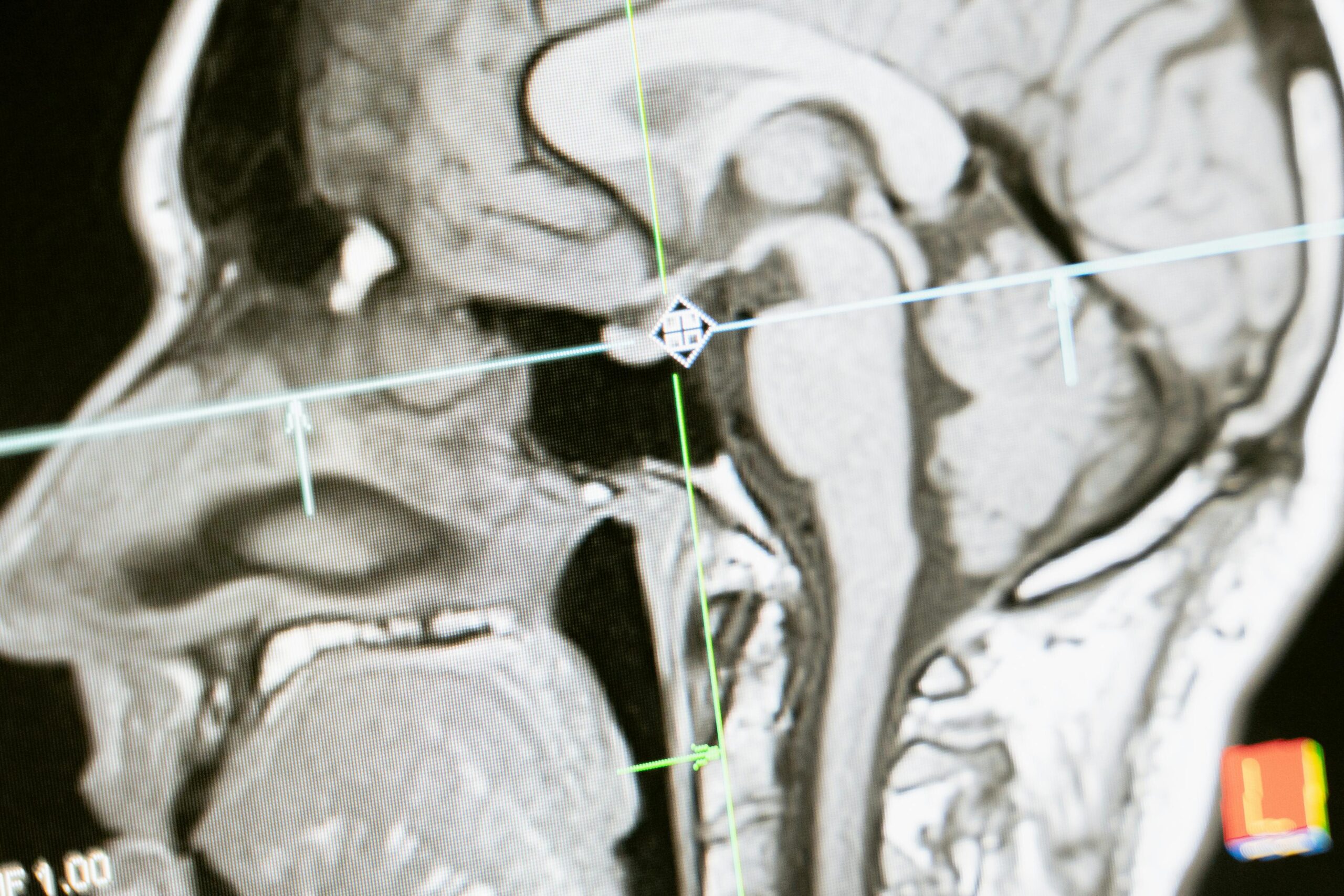
Cognitive overload doesn’t just make learning inefficient—it can actually damage neural pathways and impair your ability to recall information under pressure. Studies using neuroimaging have shown that excessive study without adequate breaks leads to decreased activity in the prefrontal cortex, the area responsible for executive function and decision-making.
The Cramming Trap and Memory Consolidation
Despite its popularity as a last-minute strategy, cramming is neuroscientifically counterproductive. Memory consolidation—the process by which short-term memories become stable long-term memories—requires sleep and time. When you sacrifice sleep to study more, you’re essentially erasing much of what you learned earlier, creating a frustrating cycle of forgetting and relearning.
Sleep-deprived students show up to 40% reduced capacity for forming new memories compared to well-rested peers. The hippocampus, crucial for memory formation, becomes significantly less effective without adequate rest. Your potential for success actually increases when you close the books and get proper sleep.
Strategic Study Approaches That Protect Your Health 📚
Protecting yourself from test-induced damage begins with adopting study strategies that work with your brain’s natural rhythms rather than against them. The Pomodoro Technique, which involves 25-minute focused study sessions followed by 5-minute breaks, has shown remarkable effectiveness in maintaining cognitive performance while reducing mental fatigue.
Spaced repetition, another evidence-based approach, involves reviewing material at increasing intervals over time. This method not only improves long-term retention by up to 200% compared to massed practice but also reduces the stress of last-minute cramming. By distributing your learning over time, you give your brain the opportunity to consolidate information naturally.
Creating a Sustainable Study Schedule
A sustainable study schedule balances intensive learning periods with adequate recovery time. Start by assessing how much material you need to cover and work backward from your test date, allocating realistic time blocks for each subject area. Build in buffer days for unexpected challenges and review periods.
Your schedule should include non-negotiable breaks for meals, exercise, and sleep. Studies show that students who maintain consistent sleep schedules perform 18% better on examinations than those with irregular sleep patterns. Physical exercise, even just 20 minutes daily, improves memory consolidation by up to 30% and reduces stress hormones significantly.
🛡️ Building Psychological Resilience Against Test Anxiety
Psychological resilience—your ability to bounce back from setbacks and maintain emotional equilibrium under pressure—is perhaps your most valuable asset during testing periods. Unlike intelligence or knowledge, which may have certain limits, resilience can be actively developed and strengthened through specific practices.
Cognitive-behavioral techniques have proven particularly effective in managing test anxiety. These approaches help you identify and challenge catastrophic thinking patterns that amplify stress. For example, replacing thoughts like “I’ll fail and ruin my future” with more realistic assessments like “This test is important, but it’s one of many factors in my success” can significantly reduce anxiety levels.
Mindfulness and Stress Reduction Techniques
Mindfulness meditation has emerged as a powerful tool for test-takers, with research showing that just eight weeks of regular practice can reduce test anxiety by up to 40%. The practice trains your brain to observe thoughts and feelings without becoming overwhelmed by them, creating psychological distance from anxious ruminations.
Progressive muscle relaxation, deep breathing exercises, and visualization techniques provide additional weapons in your stress-management arsenal. These practices activate the parasympathetic nervous system, counteracting the fight-or-flight response that test anxiety triggers. Spending 10-15 minutes daily on these techniques can dramatically improve your ability to remain calm and focused during examinations.
Nutrition and Hydration: Fueling Peak Performance 🥗
Your brain consumes approximately 20% of your body’s energy despite representing only 2% of your body weight. During intensive study periods, this demand increases further. Proper nutrition isn’t just about maintaining energy—it’s about providing the raw materials your brain needs for neurotransmitter production, neural protection, and optimal cognitive function.
Complex carbohydrates provide steady glucose supply, preventing the energy crashes associated with simple sugars. Omega-3 fatty acids, found in fish, walnuts, and flaxseeds, support neural membrane integrity and have been linked to improved memory and reduced anxiety. Adequate protein intake ensures sufficient amino acids for neurotransmitter synthesis, particularly dopamine and serotonin, which regulate mood and motivation.
Hydration’s Critical Role in Cognitive Function
Even mild dehydration—as little as 2% fluid loss—can impair cognitive performance, reduce concentration, and increase perceived difficulty of mental tasks. During exam preparation and on test days, maintaining proper hydration should be a priority. Aim for clear or pale-yellow urine as an indicator of adequate hydration.
Avoid excessive caffeine, which can exacerbate anxiety symptoms and disrupt sleep patterns. While moderate caffeine intake (1-2 cups of coffee daily) may enhance alertness, consuming more than 400mg daily often leads to jitters, increased heart rate, and impaired sleep quality—all counterproductive during test preparation.
🏃 Physical Activity: The Underrated Study Strategy
The connection between physical activity and academic performance is stronger than many realize. Exercise increases blood flow to the brain, stimulates the production of brain-derived neurotrophic factor (BDNF)—which supports neural growth and protection—and enhances mood through endorphin release. Students who engage in regular physical activity consistently outperform sedentary peers across various assessment types.
Aerobic exercise appears particularly beneficial for cognitive function. A 30-minute moderate-intensity workout increases hippocampal activity for up to two hours afterward, creating an optimal window for learning and memory consolidation. Even brief walking breaks during study sessions can refresh attention and improve problem-solving abilities.
Movement Breaks for Mental Clarity
Incorporating movement breaks into your study routine doesn’t require gym memberships or elaborate equipment. Simple activities like walking, stretching, or brief bodyweight exercises can significantly reduce mental fatigue. The key is consistency and variety—changing your physical state helps reset your mental state, allowing you to return to studying with renewed focus.
Consider studying in different physical positions throughout the day: seated at a desk, standing, or even walking while reviewing flashcards. This positional variety keeps your body engaged and can actually strengthen memory associations by linking information with different physical states.
Sleep Architecture and Test Performance 😴
Sleep isn’t merely downtime between study sessions—it’s when your brain actively consolidates memories, prunes unnecessary neural connections, and prepares for new learning. The architecture of sleep, with its distinct stages including deep sleep and REM sleep, serves specific cognitive functions that are essential for test success.
During deep sleep, your brain replays neural patterns associated with what you learned, strengthening synaptic connections and transferring information from temporary storage to long-term memory. REM sleep appears particularly important for problem-solving and creative thinking. Sacrificing either stage—which happens when you cut sleep short—directly undermines your preparation efforts.
Optimizing Your Sleep Environment
Creating an environment conducive to restorative sleep becomes especially important during test preparation periods. Your bedroom should be cool (around 65-68°F), dark, and quiet. Blue light from screens suppresses melatonin production, so establish a digital curfew at least one hour before bedtime.
Maintain consistent sleep and wake times, even on weekends, to strengthen your circadian rhythm. If anxiety interferes with sleep, establish a wind-down routine that might include light reading, gentle stretching, or relaxation exercises. Avoid studying in bed, which can create mental associations that interfere with sleep.
🤝 Social Support Systems and Academic Success
Isolation during test preparation is both common and counterproductive. Humans are inherently social creatures, and meaningful connections provide stress buffering, emotional support, and often practical study assistance. Students with strong social support networks report lower anxiety levels and higher test performance compared to those who isolate themselves.
Study groups, when properly structured, offer multiple benefits: they expose you to different perspectives and problem-solving approaches, help identify knowledge gaps, and provide accountability. However, ensure your study groups remain focused and productive rather than devolving into purely social gatherings or complaint sessions that amplify anxiety.
Communicating Your Needs
Don’t hesitate to communicate your needs to family, friends, and instructors. Most people want to support you but may not know how. Be specific: rather than saying “I need help,” try “I need uninterrupted study time between 6-9 PM” or “I need someone to quiz me on this material Friday evening.” Clear communication prevents misunderstandings and ensures you receive appropriate support.
Consider working with academic counselors, tutors, or mental health professionals when needed. Seeking help isn’t admitting weakness—it’s demonstrating wisdom and self-awareness. Many institutions offer free or low-cost resources specifically designed to help students navigate high-pressure testing periods.
Test Day Strategies for Maximum Performance 🎯
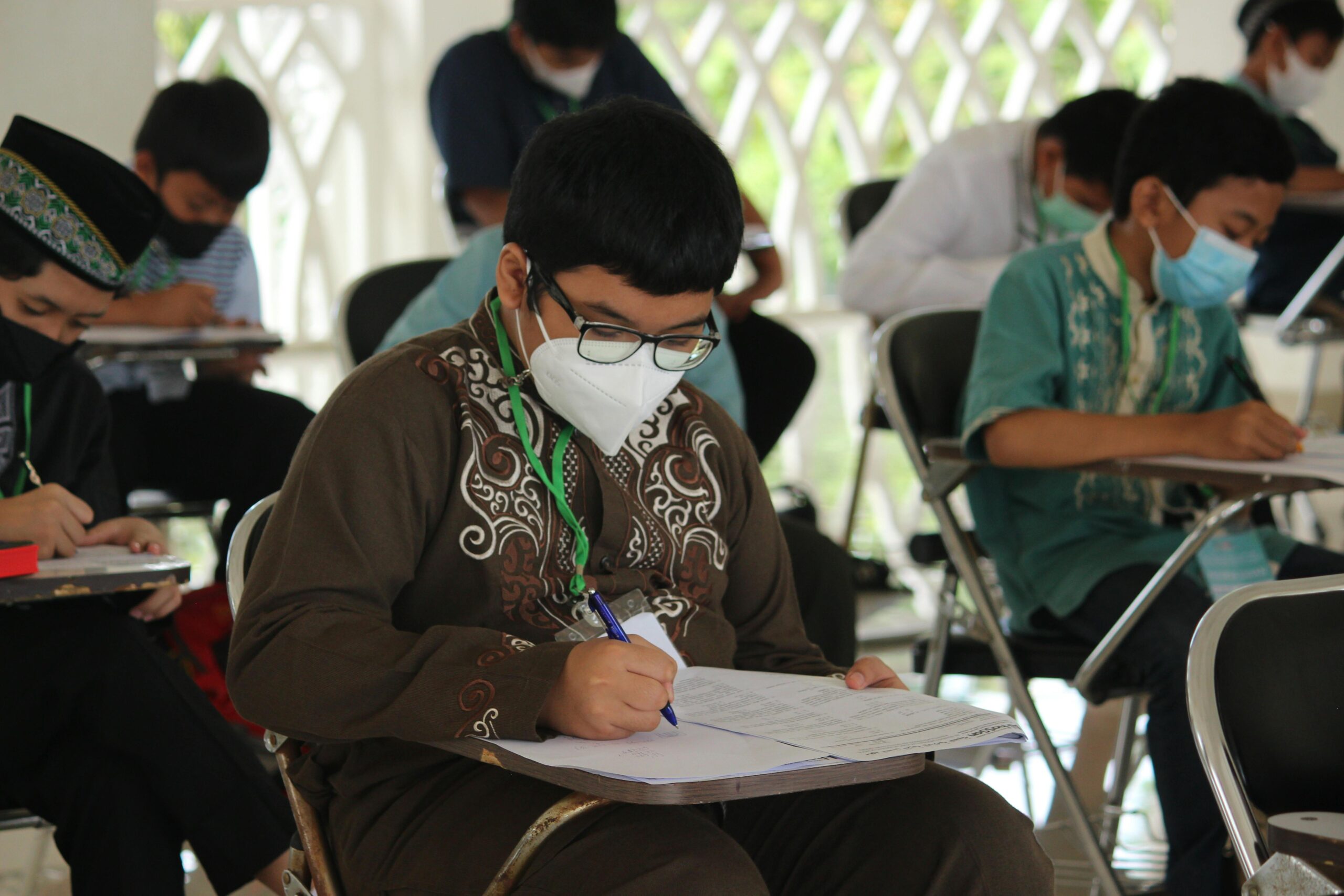
All your preparation culminates in test day performance. Having a solid test-day strategy reduces last-minute panic and helps you channel nervous energy productively. Begin by preparing logistics the night before: gather required materials, plan your route and timing, and prepare clothes and meals in advance.
On test day, eat a balanced breakfast focusing on protein and complex carbohydrates. Arrive early enough to settle in without rushing but not so early that you’re waiting anxiously for extended periods. Use the pre-test minutes for brief relaxation exercises rather than frantic last-minute cramming, which typically increases anxiety without improving performance.
During the Test: Staying Centered
If anxiety rises during the test, employ quick centering techniques: take three deep breaths, tense and release major muscle groups, or briefly close your eyes and visualize a calming scene. These micro-interventions can reset your stress response without consuming significant time.
Read instructions carefully before diving into questions. Budget your time appropriately, moving past difficult questions rather than fixating on them. Your goal is demonstrating what you know, not achieving perfection. Remember that anxiety is normal—even optimal levels of arousal can enhance performance when properly channeled.
🌱 Recovery and Reflection: After the Test
What you do after completing a major test matters almost as much as your preparation. Many students experience post-test crashes—emotional letdowns or exhaustion resulting from prolonged stress and the sudden release of pressure. Anticipating this phenomenon helps you manage it proactively.
Allow yourself genuine recovery time rather than immediately jumping into the next challenge. Engage in activities you postponed during intense preparation periods, reconnect with friends and family, and prioritize self-care. Your body and mind need time to recalibrate after operating in high-stress mode.
Learning from Each Testing Experience
Regardless of outcomes, each testing experience offers valuable learning opportunities. Reflect on what strategies worked well and what you might adjust for future assessments. Consider both the content-related aspects (what material you knew well versus areas of weakness) and process-related elements (how effective were your study methods, stress management techniques, and time allocation).
This reflective practice transforms each test into a stepping stone for growth rather than merely a judgment of your abilities. Over time, you’ll develop increasingly sophisticated self-knowledge about how you learn best, how you respond to pressure, and how to optimize your performance while protecting your well-being.
Your Potential Deserves Protection 💪
Tests and assessments are inevitable parts of academic and professional life, but they need not damage your physical health, mental well-being, or long-term potential. By implementing evidence-based strategies for study, stress management, and self-care, you can approach testing periods as challenges to overcome rather than threats to survive.
Remember that your worth isn’t determined by test scores alone. While performing well on assessments opens doors, maintaining your health, curiosity, and love of learning ensures you’ll be able to walk through those doors with energy and enthusiasm. Protect your potential by honoring your limits, employing smart strategies, and maintaining perspective on what truly matters in your educational journey.
The most successful test-takers aren’t necessarily those who study longest or sacrifice most—they’re those who study smartest, manage stress effectively, and maintain the physical and mental resilience needed for sustained performance. Your brain and body are remarkable instruments capable of extraordinary achievement when properly cared for. Treat them with the respect they deserve, and they’ll serve you well not just through the next test, but throughout your entire life.