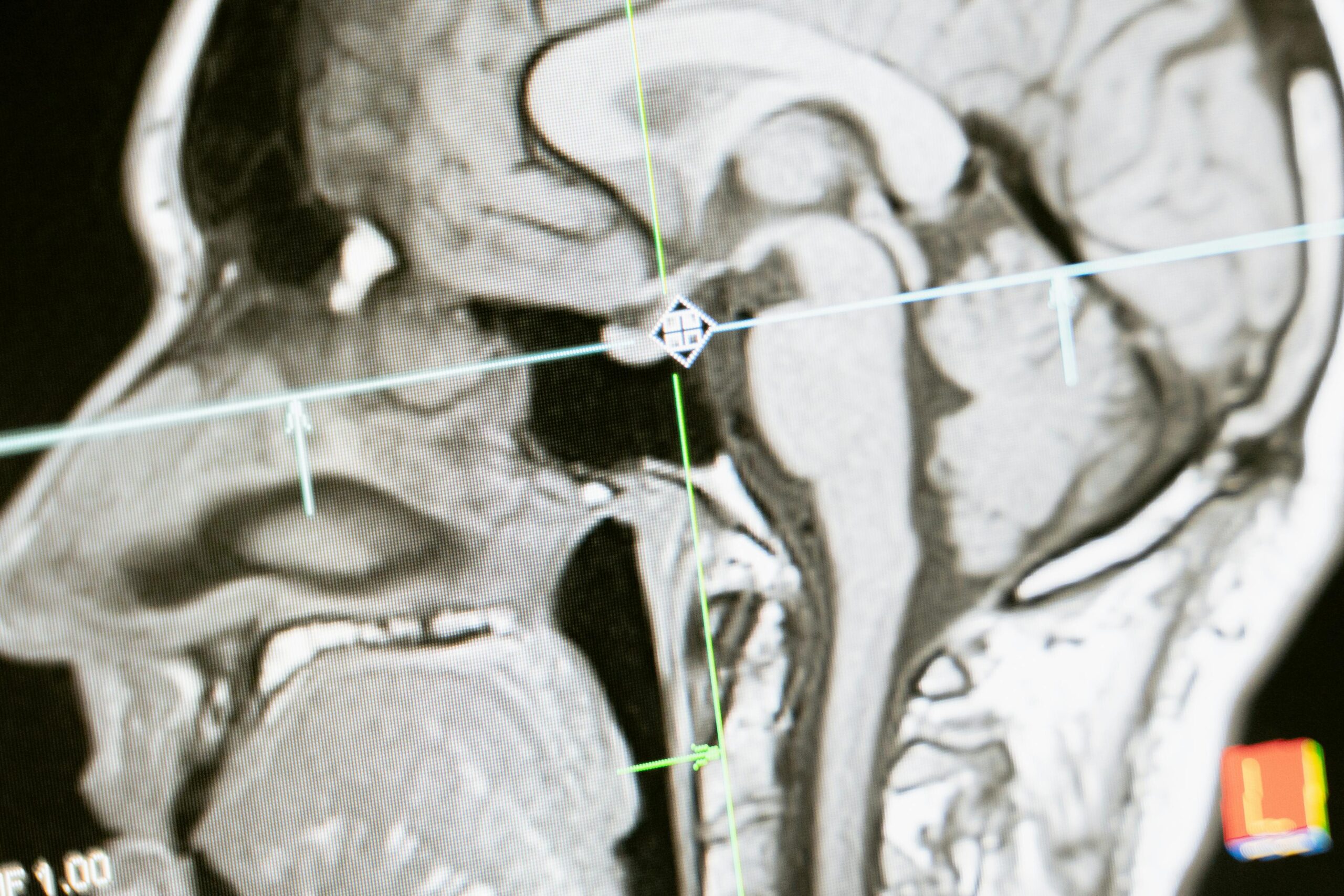
Stress isn’t just about what happens to you—it’s about where your nervous system amplifies everyday pressures into overwhelming experiences. Understanding these hidden zones is your first step toward lasting relief.

🧠 What Are Stress Amplification Zones?
Stress amplification zones are specific areas in your life, body, and environment where routine stressors become magnified disproportionately. Think of them as emotional and physiological hotspots that transform minor irritations into major anxiety triggers. Unlike obvious stress sources like work deadlines or financial pressures, these zones operate beneath your conscious awareness, silently intensifying your stress response.
Research from the American Psychological Association shows that most people can identify their primary stressors but remain oblivious to the amplification mechanisms that make those stressors unbearable. These hidden culprits include sleep patterns, nutritional deficiencies, environmental toxins, relationship dynamics, and even the way you breathe throughout your day.
The concept of amplification zones emerged from neurobiological studies demonstrating that stress isn’t simply additive. Your nervous system doesn’t just accumulate stress linearly—instead, certain conditions create multiplicative effects. A minor work frustration might register as a 2 out of 10 when you’re well-rested and nourished, but that same frustration becomes an 8 out of 10 when you’re sleep-deprived, dehydrated, and dealing with unresolved emotional tension.
The Physical Amplification Zones Hidden in Your Body
Your body houses multiple stress amplification zones that remain invisible until you know where to look. The jaw, for instance, is one of the most significant yet overlooked areas. Chronic jaw clenching and teeth grinding create a feedback loop with your stress response system. When you clench your jaw, you’re essentially sending danger signals to your amygdala, the brain’s fear center, which then produces more stress hormones.
The psoas muscle, running from your lower spine through your pelvis, serves as another critical amplification zone. Often called the “muscle of the soul,” this deep hip flexor stores unprocessed emotional tension and remains contracted during prolonged stress periods. A tight psoas disrupts your breathing patterns, compresses your internal organs, and maintains your nervous system in a perpetual fight-or-flight state.
Your gut represents perhaps the most powerful physical amplification zone. The enteric nervous system contains more neurons than your spinal cord and produces approximately 90% of your body’s serotonin. When your gut microbiome becomes disrupted through poor diet, antibiotic use, or chronic stress itself, this amplification zone transforms everyday stressors into anxiety-producing events. Inflammation in the gut directly communicates with brain regions responsible for mood regulation, creating what researchers call the “gut-brain axis.”
Breathing Patterns That Secretly Multiply Stress
Most people breathe incorrectly throughout their day without realizing this dysfunctional pattern serves as a constant stress amplifier. Chest breathing—shallow, rapid breaths that primarily move your upper chest—keeps your sympathetic nervous system activated. This breathing style sends continuous signals to your brain that you’re in danger, even when you’re simply sitting at your desk.
Proper diaphragmatic breathing activates your parasympathetic nervous system, which counteracts stress responses. However, when chest breathing becomes habitual, it creates an amplification zone where normal activities feel more stressful than they should. The solution involves conscious breath retraining, dedicating several minutes daily to deep belly breathing until it becomes your default pattern.
Environmental Amplification Zones in Your Daily Life
Your physical environment contains numerous hidden stress amplifiers that consistently elevate your baseline anxiety levels. Lighting represents one of the most impactful yet overlooked zones. Exposure to blue-enriched LED light, especially during evening hours, suppresses melatonin production and disrupts your circadian rhythm. This disruption doesn’t just affect your sleep—it fundamentally alters your stress hormone production throughout the following day.
Noise pollution functions as another persistent amplification zone. Chronic exposure to traffic sounds, HVAC systems, electronic devices, and other ambient noise elevates cortisol levels even when you’ve consciously tuned out the sounds. Studies demonstrate that people living in high-noise environments experience stress responses to minor triggers at rates 40% higher than those in quieter settings.
Clutter and visual chaos in your living and working spaces create cognitive load that amplifies stress. Your brain constantly processes visual information from your environment, and disorganized spaces require additional mental energy to navigate. This ongoing cognitive demand depletes your stress resilience reserves, making you more reactive to challenges throughout your day.
Digital Amplification Zones 📱
Technology introduces some of the most insidious stress amplification zones in modern life. Constant notifications fragment your attention and trigger micro-stress responses dozens or hundreds of times daily. Each notification spike activates your orienting response—a primitive survival mechanism that redirects attention toward potential threats or opportunities.
Social media platforms deliberately design features to create engagement through intermittent reinforcement, the same mechanism that makes gambling addictive. This design transforms your phone into a stress amplification zone where you experience anticipatory anxiety about missing information, comparing yourself unfavorably to others, and managing your online persona. The cumulative effect significantly lowers your threshold for stress responses in offline situations.
Email and message overload creates decision fatigue—a state where your capacity for making thoughtful choices becomes depleted. When you’re experiencing decision fatigue, even minor stressors feel overwhelming because your cognitive resources are exhausted. Setting specific times for checking messages rather than maintaining constant availability can dramatically reduce this amplification effect.
Interpersonal Relationships as Stress Multipliers
Certain relationship patterns function as powerful stress amplification zones. Codependent dynamics, where you habitually prioritize others’ needs above your own boundaries, create chronic stress that amplifies unrelated pressures. When you’re constantly regulating others’ emotions or seeking external validation, you lack the internal resources to handle normal life stressors effectively.
Unresolved conflicts act as background amplifiers that intensify every other stress source. That ongoing tension with a family member or unaddressed resentment toward a colleague doesn’t just stress you during direct interactions—it maintains your nervous system in a heightened state that makes everything feel more difficult.
Communication styles profoundly impact stress amplification. Passive communication, where you suppress your needs and authentic responses, builds internal pressure that magnifies external stressors. Aggressive communication creates relational tension that serves as a constant background stressor. Learning assertive communication—expressing your needs clearly while respecting others—eliminates this amplification zone and significantly reduces overall stress levels.
The Hidden Cost of People-Pleasing
People-pleasing represents one of the most exhausting stress amplification zones because it operates continuously across all life domains. When you habitually override your authentic preferences to accommodate others, you create internal conflict that depletes your stress resilience. Your nervous system experiences the suppression of genuine responses as a form of chronic threat, maintaining elevated baseline stress hormones.
Breaking this pattern requires distinguishing between genuine generosity and compulsive accommodation driven by fear of rejection or conflict. Genuine generosity energizes you; people-pleasing exhausts you. Recognizing this distinction helps you identify when this amplification zone is active and make different choices.
Cognitive Amplification Zones: How Your Thoughts Multiply Stress
Your thinking patterns create some of the most powerful stress amplification zones. Catastrophizing—immediately jumping to worst-case scenarios—transforms minor setbacks into perceived disasters. This cognitive distortion activates intense stress responses to situations that may never occur, depleting your resilience reserves for actual challenges.
All-or-nothing thinking eliminates middle ground, making every situation feel high-stakes. When you perceive outcomes as either complete success or total failure, routine tasks carry disproportionate emotional weight. This thinking pattern amplifies stress by attaching extreme significance to everyday events.
Rumination—repetitively reviewing past events without reaching resolution—keeps your stress response system activated long after triggering events have passed. This mental pattern prevents your nervous system from returning to baseline, creating a state of chronic activation that amplifies new stressors as they arise.
The Perfectionism Trap 🎯
Perfectionism functions as a comprehensive stress amplification system that affects every area of life. When you demand flawless performance from yourself, routine tasks become anxiety-producing challenges. Perfectionism doesn’t motivate excellence—it creates paralysis and procrastination while simultaneously generating harsh self-criticism that erodes stress resilience.
Research distinguishes between adaptive perfectionism (high standards with self-compassion) and maladaptive perfectionism (harsh self-criticism when standards aren’t met). Maladaptive perfectionism correlates strongly with anxiety disorders, depression, and stress-related health conditions. Addressing this amplification zone requires cultivating self-compassion and redefining success to include learning and growth rather than exclusively focusing on flawless outcomes.
Lifestyle Amplification Zones That Compound Daily Stress
Your daily routines either buffer against stress or amplify it. Sleep deprivation represents perhaps the most significant lifestyle amplification zone. Even modest sleep restriction—reducing from eight to six hours nightly—dramatically impairs emotional regulation, increases perceived stress, and reduces your capacity to handle challenges effectively. Chronic sleep deprivation essentially sensitizes your stress response system, making you hyperreactive to minor frustrations.
Nutritional deficiencies create biochemical conditions that amplify stress. Magnesium deficiency, which affects an estimated 50% of Western populations, directly impairs your body’s stress response regulation. Low B-vitamin status reduces neurotransmitter production, affecting mood stability and stress resilience. Blood sugar instability from excessive refined carbohydrates creates energy crashes that your body interprets as stress, triggering cortisol release.
Sedentary behavior functions as an amplification zone by preventing the natural completion of your stress response cycle. Physical movement metabolizes stress hormones and signals your nervous system that you’ve successfully escaped threat. Without regular movement, stress hormones remain elevated, maintaining heightened reactivity to new stressors.
Recovery Deficit: The Invisible Amplifier
Modern life often involves continuous activity without adequate recovery periods. This recovery deficit creates a cumulative amplification effect where your stress resilience steadily declines. Your nervous system requires regular downshifting into parasympathetic (rest-and-digest) mode to maintain healthy stress responses. Without deliberate recovery practices—truly restorative activities rather than just different forms of stimulation—you operate in a constant state of partial stress activation that amplifies everything you encounter.
Building recovery into your schedule isn’t optional self-care—it’s essential stress management. This includes actual rest (not screen time), nature exposure, creative activities, social connection, and practices specifically designed to activate your parasympathetic nervous system like gentle yoga, meditation, or progressive muscle relaxation.
Identifying Your Personal Stress Amplification Zones
Discovering your specific amplification zones requires systematic self-observation. Begin tracking your stress responses throughout the day, noting not just what triggered stress but the conditions present when you felt disproportionately reactive. Did you sleep poorly? Skip breakfast? Spend the morning scrolling social media? Have an unresolved tension with someone?
Pattern recognition becomes easier when you maintain a simple stress journal for two weeks. Record major stress responses, rating their intensity, and list contextual factors including sleep quality, nutrition, physical symptoms, relationship dynamics, and thought patterns preceding the stress spike. After two weeks, review your entries looking for recurring themes—these highlight your personal amplification zones.
Body awareness practices help identify physical amplification zones. Progressive body scans, where you systematically notice sensations in each body area, reveal chronic tension patterns. Many people discover they unconsciously hold tension in their shoulders, jaw, or abdomen throughout the day—amplification zones they’d never consciously noticed.
Creating Your Amplification Zone Map 🗺️
Organize your findings into categories: physical, environmental, interpersonal, cognitive, and lifestyle amplification zones. Rank each identified zone by frequency and intensity—which ones activate most often and produce the strongest amplification effects? This prioritization helps you focus intervention efforts where they’ll produce maximum stress relief.
Remember that amplification zones often interact synergistically. Poor sleep amplifies nutritional stress, which intensifies emotional reactivity, which disrupts relationships, creating more sleep disruption. Addressing one zone often produces cascading benefits across others, so don’t feel overwhelmed by the list—strategic intervention in key areas produces disproportionate positive effects.
Strategic Interventions for Deactivating Amplification Zones
Once you’ve identified your primary amplification zones, implement targeted interventions. For physical zones, consider working with bodywork practitioners who specialize in releasing chronic tension patterns. Massage therapy, myofascial release, and somatic experiencing can address deep holding patterns that perpetuate stress amplification.
Environmental modifications often produce immediate results. Installing blue-light filtering on devices, using warm lighting in evening hours, implementing noise-reduction strategies, and organizing your physical spaces reduces cognitive load and supports healthy circadian rhythms. These changes seem minor but produce cumulative stress reduction over weeks and months.
For interpersonal amplification zones, consider therapy or coaching focused on relationship patterns and communication skills. Learning to set boundaries, express needs assertively, and resolve conflicts constructively eliminates significant stress multiplication in your life. These skills require practice but become increasingly natural over time.
Cognitive Restructuring for Thought-Based Amplifiers
Addressing cognitive amplification zones involves identifying and challenging distorted thinking patterns. Cognitive behavioral therapy techniques help you recognize catastrophizing, all-or-nothing thinking, and other distortions, then generate more balanced alternative perspectives. This isn’t positive thinking—it’s accurate thinking that doesn’t amplify situations beyond their actual significance.
Mindfulness meditation specifically targets rumination and worry by training your attention to remain present rather than cycling through past regrets or future anxieties. Regular practice literally changes brain structure in regions associated with stress regulation, reducing the amplification effect of repetitive negative thinking.

Building Stress Resilience Through Zone Deactivation ✨
Systematically addressing your stress amplification zones doesn’t just reduce current stress—it builds long-term resilience. As you eliminate amplification mechanisms, your baseline stress reactivity decreases, meaning you naturally respond less intensely to challenges. This creates a positive feedback loop where stress management becomes progressively easier.
Track your progress by periodically reassessing stress intensity ratings for similar situations. You’ll likely notice that circumstances that previously felt overwhelming now register as manageable annoyances. This improvement reflects successful amplification zone deactivation rather than changes in external circumstances.
Maintenance requires ongoing attention because amplification zones can reactivate during particularly challenging periods. Regular check-ins with your amplification zone map—monthly or quarterly reviews—help you catch reactivation early and implement interventions before patterns become entrenched again.
Understanding and addressing stress amplification zones represents a fundamental shift from symptom management to root cause resolution. Rather than employing generic stress reduction techniques and hoping for relief, you’re identifying the specific mechanisms that multiply stress in your unique situation and systematically deactivating them. This targeted approach produces profound and lasting stress relief that transforms your daily experience and overall quality of life.