Anúncios
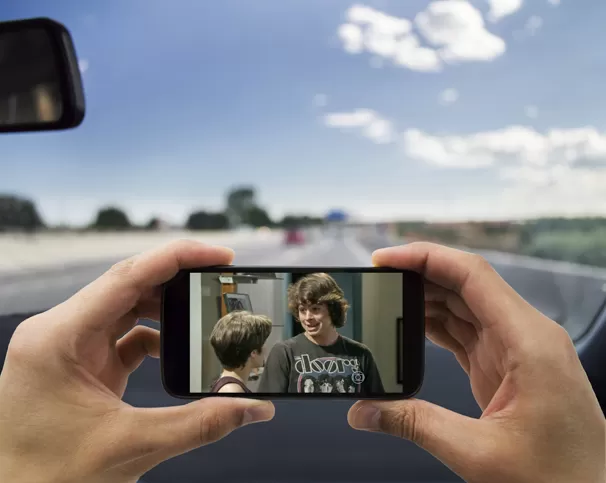
Watch Live TV Right From Your Smartphone 📱
Start Watching Now
The way we consume television has dramatically shifted over the past decade. Gone are the days when you needed to be anchored to your living room couch to catch your favorite shows.

Today, your smartphone transforms into a portable entertainment hub, giving you access to thousands of channels, movies, and shows wherever you go.
Anúncios
Whether you’re commuting to work, waiting at the doctor’s office, or relaxing in a park, streaming live TV on your mobile device has become second nature.
With countless apps available, finding the right one that matches your viewing habits and budget can feel overwhelming. Let’s explore everything you need to know about watching television on your phone.
Anúncios
The Revolution of Mobile TV Streaming 📺
Mobile television apps have fundamentally changed how we engage with content. Traditional cable subscriptions are no longer the only option for accessing quality programming. These applications offer flexibility that cable companies simply cannot match.
The benefits are clear: you control what you watch, when you watch it, and where you watch it. Many services provide free tiers supported by advertising, while premium options eliminate commercials entirely.
The technology has matured to the point where streaming quality rivals traditional broadcast, provided you have a stable internet connection.
Most modern TV apps support both live streaming and on-demand content. This dual functionality means you can catch breaking news in real-time or binge-watch entire series at your own pace. The user interfaces have evolved significantly, with intuitive designs that make channel surfing as easy as swiping your finger.
Top Features to Look For in TV Apps
When selecting an application for mobile television viewing, certain features separate exceptional apps from mediocre ones. Understanding these elements helps you make informed decisions.
Streaming quality should be your first consideration. Look for apps that support HD and 4K resolution when your device and network allow it. Adaptive streaming technology automatically adjusts video quality based on your connection speed, preventing frustrating buffering interruptions.
Channel variety matters tremendously. The best apps offer diverse content spanning news, sports, entertainment, documentaries, and international programming. Some platforms specialize in specific genres, while others provide comprehensive channel lineups rivaling traditional cable packages.
Offline viewing capability transforms how you consume content during flights or in areas with limited connectivity. Apps that allow downloads for later watching provide tremendous value for frequent travelers or those with unreliable internet access.
Multi-device synchronization enables seamless transitions between your phone, tablet, and smart TV. Start watching on your commute home and continue on your television without missing a beat.
Free vs. Paid Streaming Services 💰
The streaming landscape divides into two primary categories: ad-supported free services and subscription-based premium options. Each model offers distinct advantages depending on your preferences and budget.
Free Ad-Supported Options
Free television apps generate revenue through advertising, similar to traditional broadcast TV. These services have grown remarkably sophisticated, offering impressive channel selections without monthly fees.
Pluto TV stands out as one of the most popular free options, featuring over 250 live channels plus thousands of on-demand movies and shows. The service organizes content into familiar categories like comedy, drama, reality TV, news, and sports. You’ll encounter commercials during programming, but the extensive library costs nothing.
Tubi specializes in on-demand content with over 50,000 titles from major studios. While primarily focused on movies and series rather than live channels, the selection rivals many paid services. The ad interruptions remain brief and reasonably spaced.
Xumo delivers 190+ live channels covering news, entertainment, and sports. The interface feels clean and responsive, making channel discovery straightforward. Regional content availability varies, giving you access to local programming in many markets.
Premium Subscription Services
Paid apps eliminate advertising and typically offer superior content libraries, original programming, and advanced features.
YouTube TV provides 100+ live channels including major networks, sports channels, and cable favorites. The cloud DVR functionality allows unlimited recording storage, and you can share accounts across six household members. Monthly costs run significantly higher than free options but deliver cable-replacement quality.
Hulu + Live TV combines extensive on-demand content with 75+ live channels. The integration between live and recorded programming feels seamless, and the original series library adds tremendous value. Sports fans appreciate the comprehensive coverage including ESPN networks.
Sling TV offers customizable channel packages starting at lower price points than competitors. You select base packages and add specialized content bundles for sports, kids programming, or international channels. This flexibility helps control costs while accessing desired content.
How to Choose the Right App for Your Needs 🎯
Selecting the ideal television app depends on your specific viewing habits, budget constraints, and content preferences. Asking yourself key questions clarifies which service aligns best with your lifestyle.
What type of content do you watch most? Sports enthusiasts need apps with comprehensive sports networks and regional coverage. News junkies should prioritize services offering multiple 24-hour news channels from various perspectives. Movie lovers might prefer apps emphasizing on-demand film libraries.
How important is live programming? If you primarily watch shows whenever convenient, apps focusing on on-demand libraries make sense. Those who follow live sports, breaking news, or broadcast events in real-time require robust live streaming capabilities.
What’s your tolerance for advertisements? Free services include commercial breaks that might interrupt viewing flow. Calculate whether your viewing volume justifies subscription costs versus enduring ads. Sometimes watching 5-6 minutes of commercials per hour beats paying $50-70 monthly.
How many people will use the account? Family viewing requires apps supporting multiple simultaneous streams and user profiles. Individual viewers can select more basic options without paying for features they won’t use.
Setting Up Your Mobile TV Experience
Getting started with mobile television apps follows straightforward steps, though optimization requires attention to detail.
Download and installation begins in your device’s app store. Search for your chosen service, verify the publisher authenticity, and install the application. Free apps require no upfront payment, while subscription services typically offer trial periods before charging.
Account creation usually needs an email address and password. Premium services collect payment information even during free trials. Enable two-factor authentication for account security, especially when payment details are stored.
Personalizing your experience enhances usability significantly. Create a favorites list of frequently watched channels for quick access. Customize notifications for new episodes of followed series or live events. Adjust quality settings based on your typical connection type—aggressive quality settings drain mobile data rapidly.
Connect to Wi-Fi whenever possible to preserve cellular data allowances. Streaming video consumes substantial bandwidth, with HD content using approximately 3GB per hour. Home Wi-Fi networks provide faster, more stable connections that improve streaming quality while protecting your data plan.
Data Usage and Quality Settings 📊
Managing data consumption represents a critical consideration for mobile TV viewing. Understanding how streaming affects your cellular plan prevents unexpected overage charges.
Video quality directly correlates with data usage. Standard definition streams consume roughly 1GB per hour, HD quality uses about 3GB hourly, and 4K content can exceed 7GB per hour. Most apps automatically adjust quality based on connection speed, but manual controls provide better data management.
| Video Quality | Data Usage Per Hour | Best Use Case |
|---|---|---|
| Low (360p) | 0.3GB | Limited data plans, slow connections |
| Standard (480p) | 0.7GB | Balanced quality and data conservation |
| HD (720p) | 1.5GB | Wi-Fi connections, unlimited data |
| Full HD (1080p) | 3GB | Home viewing, high-speed internet |
| 4K Ultra HD | 7GB | Premium devices, unlimited high-speed data |
Download features available in many apps let you save content while connected to Wi-Fi, then watch offline without any data consumption. This strategy works perfectly for flights, road trips, or commutes through areas with poor cellular coverage.
Cellular data settings within apps allow you to cap quality when using mobile networks. Configure apps to stream in standard definition over cellular while automatically upgrading to HD on Wi-Fi connections. This simple adjustment dramatically reduces data consumption without manual intervention.
Enhancing Your Viewing Experience 🌟
Small optimizations transform adequate mobile TV watching into genuinely enjoyable experiences comparable to traditional television viewing.
External speakers or headphones significantly improve audio quality. Most smartphone speakers lack depth and volume, especially in noisy environments. Bluetooth headphones provide privacy in public spaces while delivering superior sound quality. Portable Bluetooth speakers work great when watching with friends.
Screen casting extends your phone’s display to larger screens. Chromecast, Apple TV, Roku, and smart TVs with built-in casting support let you start watching on your phone and seamlessly transfer to your television. You control playback from your mobile device while enjoying content on the big screen.
Battery management becomes crucial during extended viewing sessions. Streaming video drains batteries quickly due to continuous screen-on time, data processing, and speaker usage. Portable battery packs ensure your entertainment doesn’t die mid-episode. Reducing screen brightness extends battery life without significantly impacting visibility.
Stabilization accessories help when watching during commutes or in bed. Simple phone stands prop your device at comfortable viewing angles, preventing neck strain from holding your phone for extended periods. Car mounts designed for passengers make road trip viewing safer and more comfortable.
Regional Availability and Content Restrictions 🌍
Geographic limitations affect which apps you can access and what content appears within them. Licensing agreements dictate regional availability, creating fragmented experiences across countries.
Many streaming services limit functionality to specific countries. US-based services often restrict access when you travel internationally, while European apps may be unavailable to American users. These restrictions stem from complex content licensing deals negotiated separately for different territories.
VPN services technically allow bypassing geographic restrictions by masking your actual location. However, this violates most apps’ terms of service and can result in account suspension. Additionally, many platforms actively detect and block VPN connections, making this workaround increasingly unreliable.
Content libraries vary significantly between regions even for global services. A show available in the US catalog might be absent from the UK version due to different broadcasting rights. International travelers frequently discover their favorite programs become unavailable when crossing borders.
Research which apps operate in your country before investing time in setup. Read user reviews from your specific region, as functionality and channel selection often differ from promotional materials focused on primary markets.
Troubleshooting Common Issues 🔧
Even the best television apps occasionally encounter problems. Understanding common issues and their solutions minimizes frustration.
Buffering and playback interruptions usually indicate network problems. Test your internet speed—streaming HD content requires at least 5 Mbps, while 4K needs 25 Mbps or faster. Close background apps consuming bandwidth, move closer to your Wi-Fi router, or switch to cellular data if Wi-Fi proves unstable.
App crashes or freezing often resolve through basic troubleshooting. Force-close the app completely and relaunch it. Clear the app cache through your device settings to remove corrupted temporary files. Uninstalling and reinstalling the app provides a fresh start when other fixes fail.
Login and authentication errors frustrate users trying to access paid accounts. Verify your subscription remains active and payment information stays current. Password resets solve most login issues. Contact customer support when account problems persist despite correct credentials.
Poor video quality despite strong connections might require adjusting app settings. Disable automatic quality adjustment and manually select higher resolution. Update the app to the latest version, as older versions sometimes cap quality unnecessarily. Restart your device to clear any system-level issues affecting performance.
Privacy and Security Considerations 🔒
Streaming apps collect substantial user data, making privacy and security awareness essential for protecting personal information.
Permission requests during installation deserve scrutiny. Television apps legitimately need internet access, but requests for contacts, location, or microphone access should raise questions. Grant only permissions necessary for core functionality.
Data collection practices vary widely between services. Free apps typically collect more user information to support targeted advertising. Review privacy policies to understand what data gets collected and how companies use it. Opt out of data sharing when possible through app settings.
Secure payment information when subscribing to premium services. Use credit cards rather than debit cards for better fraud protection. Enable purchase authentication requiring biometric verification or passwords before completing transactions.
Account security prevents unauthorized access to your streaming profiles. Use strong, unique passwords for each service rather than recycling credentials across platforms. Enable two-factor authentication whenever available, adding an extra security layer beyond passwords alone.
The Future of Mobile Television 🚀
Television streaming technology continues evolving rapidly, with emerging trends shaping how we’ll consume content in coming years.
5G connectivity enables higher quality streaming with less buffering, even in crowded areas. The increased bandwidth supports 4K streaming on mobile devices without Wi-Fi, though data cap considerations remain relevant.
Artificial intelligence drives increasingly sophisticated content recommendations. Apps learn your viewing habits and suggest shows matching your preferences with impressive accuracy. Voice control integration allows hands-free navigation through menus and content libraries.
Interactive content transforms passive viewing into engaging experiences. Some apps experiment with choose-your-own-adventure programming where viewers make story decisions affecting plot outcomes. Live shopping integrations let you purchase products featured in shows directly through the streaming interface.
Augmented reality features hint at future possibilities. Imagine watching sports with real-time statistics overlaid on your screen or virtual set tours of your favorite shows. While still emerging, these technologies will likely become standard features within several years.

Making the Most of Free Services
Free television apps provide remarkable value when you understand their strengths and optimize usage accordingly.
Multiple app strategy grants access to wider content variety than relying on a single service. Install several free apps to cover different content types—one for live news, another for movies, a third for classic TV series. This approach costs nothing beyond storage space.
Ad tolerance techniques make commercial breaks less annoying. Use ad time for quick tasks like checking messages, refilling drinks, or stretching. Some viewers browse social media during commercials, effectively multitasking rather than wasting time.
Scheduled viewing around your lifestyle maximizes enjoyment. Queue up shows during evening relaxation time rather than trying to watch whenever you have spare minutes. Dedicated viewing sessions feel more satisfying than fragmented watching throughout the day.