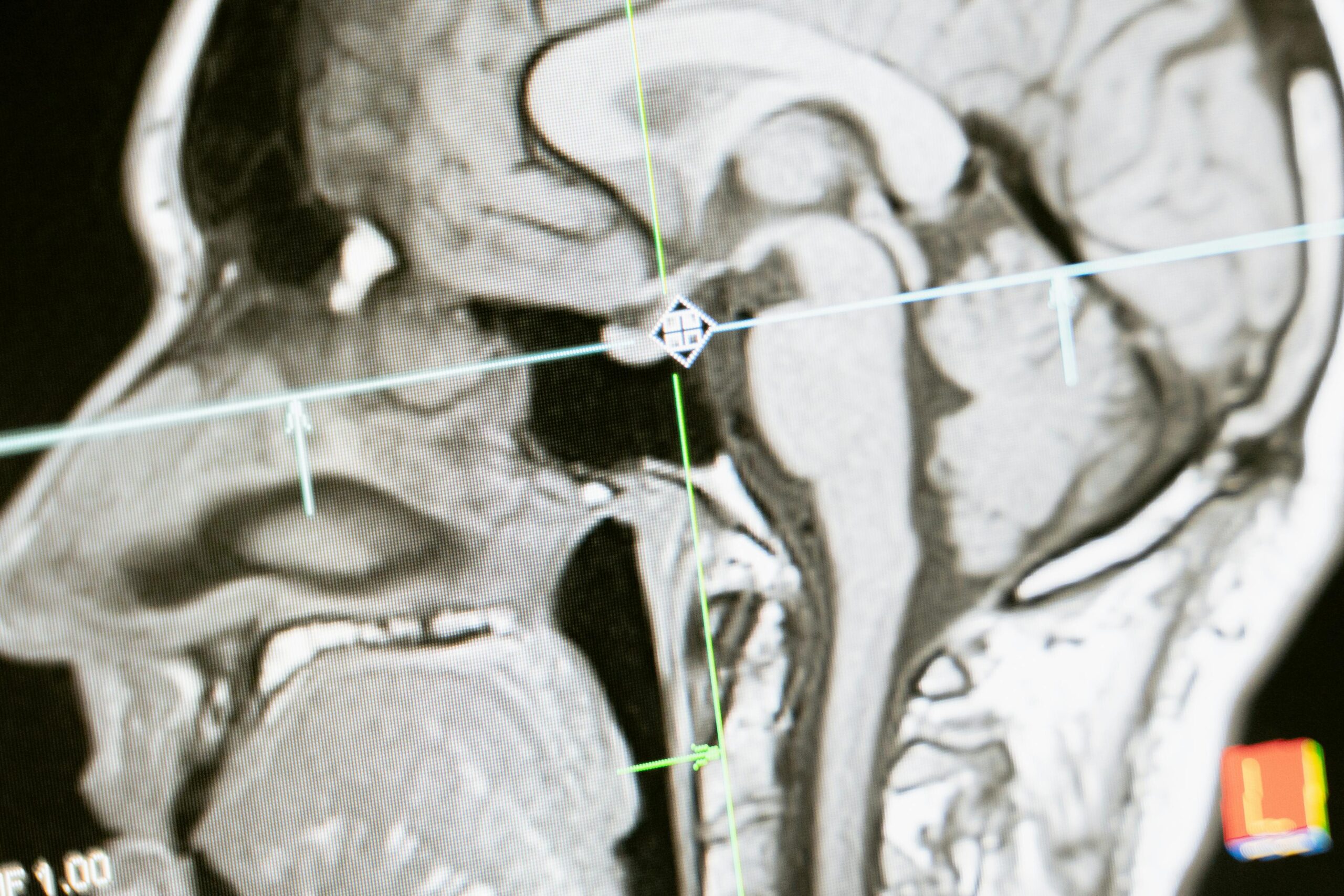
Stress has become an inevitable companion in modern life, affecting millions worldwide. Understanding how different stress patterns impact our health is crucial for developing effective coping strategies and achieving lasting well-being.

🧠 The Science Behind Stress Frequency: What Your Body Actually Experiences
When we talk about stress, most people think of it as a singular entity—something either present or absent. However, the reality is far more nuanced. Stress operates on different frequencies, much like sound waves or electromagnetic radiation, and these varying patterns create profoundly different effects on our physiology and psychology.
Low-frequency stress refers to prolonged, chronic stressors that persist over extended periods—weeks, months, or even years. Think of financial worries, relationship tensions, or ongoing health concerns. These stressors don’t necessarily spike your cortisol levels dramatically at any given moment, but they maintain a constant, elevated baseline that gradually erodes your resilience.
High-frequency stress, conversely, involves acute, intense stressors that occur repeatedly but in shorter bursts. Imagine meeting tight deadlines, handling difficult customer interactions multiple times daily, or navigating rush-hour traffic every morning and evening. Your stress hormones spike sharply, then ideally return to baseline before the next episode hits.
The distinction between these two stress regimes matters tremendously because your body responds to them through entirely different biological pathways. Your hypothalamic-pituitary-adrenal (HPA) axis, sympathetic nervous system, and inflammatory responses all behave differently depending on whether stress arrives as persistent background noise or intermittent alarm bells.
⚡ High-Frequency Stress: The Double-Edged Sword of Modern Life
High-frequency stress has become the hallmark of contemporary existence. Our smartphones ping constantly with notifications, emails demand immediate responses, and we juggle multiple commitments that create recurring peaks of pressure throughout each day.
Interestingly, acute stress isn’t inherently harmful—in fact, it’s essential for growth and adaptation. When you face a challenging presentation, your body mobilizes resources: adrenaline sharpens focus, cortisol increases glucose availability for energy, and your cognitive functions actually enhance temporarily. This is the evolutionary “fight-or-flight” response functioning exactly as designed.
The problem emerges when recovery windows between these stress episodes become insufficient. Your body needs time to metabolize stress hormones, repair cellular damage from oxidative stress, and restore neurotransmitter balance. When high-frequency stressors pile up without adequate recovery, you enter a state called “allostatic overload”—where the cumulative burden overwhelms your adaptive capacity.
The Warning Signs of Excessive High-Frequency Stress
Recognizing when high-frequency stress crosses from stimulating to damaging is crucial for intervention. Your body provides clear signals when the frequency becomes excessive:
- Difficulty “switching off” mentally even during downtime
- Persistent muscle tension, particularly in shoulders, neck, and jaw
- Sleep disturbances, especially trouble falling asleep due to racing thoughts
- Increased irritability and shorter fuse in everyday interactions
- Digestive issues that correlate with stressful periods
- Difficulty concentrating or making decisions despite adequate rest
- Reliance on stimulants (caffeine) or depressants (alcohol) to regulate energy levels
🌊 Low-Frequency Stress: The Silent Destroyer of Well-Being
While high-frequency stress often feels more dramatic and immediate, low-frequency chronic stress may actually pose the greater long-term health threat. This persistent, grinding stress operates below the threshold of crisis but never truly releases its grip on your physiology.
Chronic low-frequency stress fundamentally alters your baseline functioning. Your cortisol rhythms flatten—instead of healthy morning peaks and evening troughs, you maintain moderately elevated levels throughout the day. This disruption cascades through virtually every bodily system, affecting metabolism, immune function, cardiovascular health, and brain structure.
Research has consistently linked chronic stress to increased risk of heart disease, diabetes, autoimmune disorders, depression, anxiety, and even accelerated cellular aging through shortened telomeres. The insidious nature of low-frequency stress means people often normalize these elevated stress levels, not recognizing the damage accumulating beneath conscious awareness.
Identifying Hidden Sources of Chronic Stress
Low-frequency stressors often hide in plain sight, masquerading as “just how life is.” Identifying these hidden drains on your resources is the first step toward addressing them:
- Misalignment between personal values and daily activities
- Relationships that consistently drain more energy than they provide
- Financial uncertainty or living beyond sustainable means
- Work environments with poor culture or toxic dynamics
- Unresolved trauma or persistent rumination on past events
- Physical health issues that remain undiagnosed or improperly managed
- Environmental factors like noise pollution, poor air quality, or inadequate lighting
🔬 Comparing Physiological Impacts: What Research Reveals
Scientific studies comparing stress frequencies reveal fascinating differences in how our bodies and minds respond to these distinct patterns. Understanding these differences empowers us to design more effective stress management strategies tailored to our specific stress profile.
A landmark study published in the journal Psychoneuroendocrinology found that individuals experiencing chronic low-frequency stress showed greater immune system dysregulation than those facing acute high-frequency stressors of equal cumulative intensity. The chronic stress group exhibited elevated inflammatory markers (particularly IL-6 and CRP) that persisted even during supposedly relaxing periods.
Conversely, research on cardiovascular responses shows that acute high-frequency stress creates more dramatic blood pressure spikes and heart rate variability changes. However, when adequate recovery occurs between episodes, cardiovascular systems often show resilience and even adaptive strengthening—similar to how muscles grow stronger through exercise stress followed by recovery.
Brain Structure and Function Differences
Neuroimaging studies reveal that chronic low-frequency stress literally changes brain architecture. The hippocampus (critical for memory and learning) tends to shrink under persistent stress, while the amygdala (responsible for threat detection and emotional reactivity) enlarges. Prefrontal cortex connectivity also weakens, reducing executive function and emotional regulation capacity.
High-frequency stress, particularly when manageable and followed by recovery, shows different patterns. Brief acute stress can actually enhance memory consolidation and learning—explaining why moderate test anxiety sometimes improves performance. The key difference lies in the presence of definitive resolution and recovery periods.
💡 Strategic Approaches to Managing High-Frequency Stress
If your life involves unavoidable high-frequency stressors—and most modern lives do—your strategy should focus on optimizing recovery and building resilience between stress episodes.
The concept of “stress inoculation” becomes particularly relevant here. Like a vaccine exposes your immune system to manageable pathogen doses to build immunity, controlled exposure to acute stressors followed by complete recovery can actually strengthen your stress response systems. This is the principle underlying many performance enhancement protocols used by athletes and high-performing professionals.
Evidence-Based Recovery Techniques
Maximizing recovery between high-frequency stress episodes requires intentional practices that activate your parasympathetic nervous system—the “rest and digest” counterbalance to “fight or flight”:
- Strategic breathing practices: Box breathing (4-4-4-4 count) or extended exhale breathing (4 count in, 6-8 count out) actively stimulates vagal tone and parasympathetic activation
- Micro-recovery breaks: Even 60-90 seconds of complete mental disengagement between tasks significantly improves stress hormone clearance
- Physical movement: Brief walks, stretching, or dynamic movement help metabolize stress hormones and reduce muscular tension
- Sensory reset techniques: Cold water on wrists, looking at distant horizons, or pleasant scents can interrupt stress cascades
- Social connection moments: Brief positive interactions with supportive people buffer stress effects through oxytocin release
Several applications have emerged to support high-frequency stress management through guided recovery practices. For those seeking structured support, meditation and breathing apps can provide valuable between-episode interventions.
🛡️ Addressing Low-Frequency Chronic Stress: Long-Term Solutions
Managing chronic low-frequency stress requires a fundamentally different approach than handling acute episodes. While recovery techniques help with high-frequency stress, chronic stress demands systemic life changes that address root causes rather than merely treating symptoms.
The first crucial step involves honest assessment. Many people have normalized their chronic stress to such a degree that they no longer recognize it as abnormal. Keeping a stress audit for two weeks—noting energy levels, mood, physical symptoms, and stressor sources throughout each day—often reveals patterns invisible to habitual awareness.
Systematic Stress Reduction Strategies
Once you’ve identified chronic stressors, prioritize them using impact-versus-control analysis. Focus your energy on high-impact stressors where you have at least moderate control:
- Boundary establishment: Chronic stress often stems from porous boundaries allowing others’ needs to consistently override your own well-being
- Environmental optimization: Systematically improve your physical spaces—home and work—to reduce background stressors
- Relationship evaluation: Honestly assess which relationships consistently drain versus nourish you, then adjust accordingly
- Financial stress reduction: Even small progress toward financial stability dramatically reduces background anxiety
- Purpose alignment: Ensure your daily activities align with your core values and long-term goals
- Professional support: Therapy, coaching, or counseling provides structured support for addressing persistent stress sources
🎯 Creating Your Personalized Stress Management Protocol
The most effective stress management approach recognizes that you likely face both high-frequency acute stressors and low-frequency chronic stressors simultaneously. Your protocol should address both patterns through complementary strategies.
Begin by categorizing your stressors. Create two lists: one for recurring acute stressors (presentations, difficult conversations, deadline pressures) and another for persistent background stressors (relationship tensions, financial concerns, health issues). This clarity allows targeted interventions rather than generic “stress management.”
Building Your Stress Resilience Foundation
Certain practices benefit both stress types by fundamentally strengthening your physiological and psychological resilience:
- Sleep optimization: Consistent sleep schedule, 7-9 hours nightly, dramatically improves stress hormone regulation
- Regular physical activity: 150 minutes weekly of moderate exercise provides both acute stress release and chronic resilience building
- Nutrition stability: Blood sugar regulation through balanced meals prevents additional physiological stress
- Nature exposure: Regular time in natural environments reduces both cortisol and inflammatory markers
- Meaningful connection: Deep relationships with supportive people buffer against all stress types
- Mindfulness practice: Regular meditation or mindfulness training restructures stress reactivity patterns
📊 Measuring Progress: Tracking What Matters
Unlike weight loss or fitness goals with clear metrics, stress management progress can feel subjective and difficult to assess. However, tracking specific markers helps you identify what’s working and maintain motivation.
Consider monitoring these indicators weekly:
| Measurement | What It Reveals | Target |
|---|---|---|
| Resting heart rate (morning) | Overall stress recovery and cardiovascular adaptation | Stable or declining over weeks |
| Sleep quality (subjective rating) | Nervous system regulation and recovery capacity | Consistent 7+ out of 10 |
| Energy levels (mid-afternoon) | Sustained energy without dramatic crashes | Stable without stimulants |
| Recovery speed from stressors | How quickly you return to baseline after stress | Within 15-30 minutes |
| Physical tension (neck/shoulders) | Somatic stress accumulation | Minimal chronic tension |

🌟 The Path Forward: Integrating Frequency Awareness into Daily Life
Understanding the distinction between low-frequency and high-frequency stress regimes transforms how you approach well-being. Rather than viewing all stress as uniformly harmful or all stress relief as equally effective, you can now apply targeted strategies that match your specific stress profile.
The most profound insight from stress frequency research is that context determines whether stress damages or strengthens you. Brief acute stressors followed by adequate recovery can build resilience, enhance performance, and even extend healthspan. Chronic unrelenting stress, regardless of intensity, erodes health across virtually all systems.
Your goal isn’t eliminating stress—an impossible and even undesirable objective—but rather optimizing your stress patterns. Ensure high-frequency stressors include sufficient recovery windows. Address low-frequency chronic stressors through systematic life design changes that reduce persistent burden.
Start small with one intervention for each stress type. Perhaps implement strategic breathing practices between your daily acute stressors while simultaneously addressing one chronic stressor through boundary setting or environmental optimization. Small consistent changes compound into transformative results over weeks and months.
Remember that stress management is deeply personal. What works magnificently for one person may prove ineffective for another due to genetic differences, life circumstances, personality factors, and resource availability. Experiment systematically, track your responses, and refine your approach based on actual results rather than generic recommendations.
The secret to stress relief isn’t found in any single technique or philosophy but in understanding your unique stress frequency profile and responding with appropriately matched interventions. By distinguishing between the relentless grinding of chronic stress and the sharp spikes of acute stress, you gain the clarity needed to protect your well-being while navigating an inherently stressful world. Your body possesses remarkable adaptive capacity when you work with its natural rhythms rather than against them. 🌈