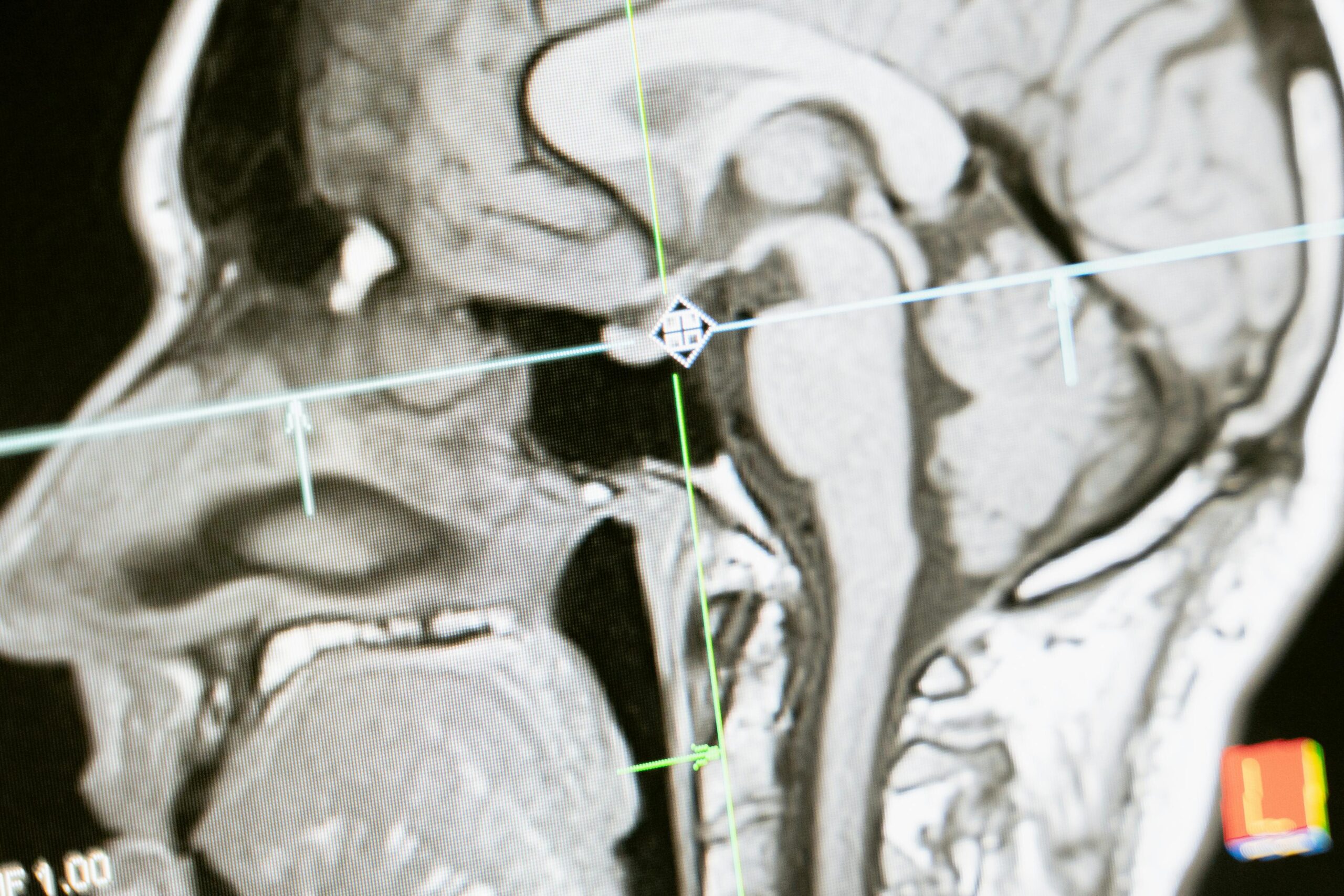
Spatial amplitude mapping is revolutionizing how scientists, engineers, and researchers visualize complex structural data, transforming abstract information into comprehensible visual representations. 🔬

The Revolutionary Lens: Understanding Spatial Amplitude Mapping
In an era where data complexity continues to escalate exponentially, spatial amplitude mapping emerges as a critical tool for making sense of intricate structural information. This sophisticated technique allows professionals across multiple disciplines to transform raw amplitude data into meaningful visual patterns that reveal hidden characteristics of materials, biological systems, and engineered structures.
At its core, spatial amplitude mapping captures variations in signal strength or intensity across physical space, creating detailed maps that highlight structural features invisible to conventional observation methods. Whether examining microscopic cellular structures or analyzing massive architectural components, this technology provides unprecedented clarity and insight.
The fundamental principle relies on measuring how signals—whether acoustic, electromagnetic, or mechanical—interact with different materials and structural features. These interactions produce amplitude variations that, when properly mapped, create a comprehensive picture of the underlying structure.
Breaking Down the Technology Behind the Magic ✨
Spatial amplitude mapping operates through a systematic process of signal acquisition, processing, and visualization. The technology employs sophisticated sensors that detect minute variations in wave amplitude as signals propagate through or reflect from structures being examined.
Modern mapping systems integrate advanced algorithms that filter noise, enhance signal clarity, and construct high-resolution images from raw data. These computational processes distinguish genuine structural features from artifacts, ensuring accurate representations of the examined materials.
The mapping resolution depends on several critical factors including signal frequency, sensor sensitivity, scanning speed, and data processing capabilities. Higher frequencies generally provide better resolution but may have limited penetration depth, creating a fundamental trade-off that practitioners must navigate based on specific application requirements.
Signal Processing and Data Transformation
The journey from raw amplitude measurements to interpretable visual maps involves multiple computational stages. Initial signal conditioning removes unwanted noise and compensates for systematic errors introduced by equipment or environmental factors.
Subsequently, specialized algorithms apply mathematical transformations that enhance contrast between different structural features. These transformations might include Fourier analysis, wavelet decomposition, or machine learning-based pattern recognition techniques that automatically identify and highlight significant structural characteristics.
Advanced systems incorporate real-time processing capabilities, enabling immediate visualization during data acquisition. This immediacy proves invaluable for applications requiring rapid decision-making, such as medical diagnostics or quality control in manufacturing environments.
Applications Transforming Industries Worldwide 🌍
The versatility of spatial amplitude mapping has catalyzed its adoption across remarkably diverse fields. In medical imaging, ultrasound elastography employs amplitude mapping to assess tissue stiffness, helping clinicians identify tumors and evaluate organ health without invasive procedures.
Non-destructive testing in aerospace and civil engineering relies heavily on this technology to detect internal flaws in critical components. Aircraft wings, bridge supports, and pressure vessels undergo routine amplitude mapping inspections that reveal cracks, voids, or material degradation long before they become visible or catastrophic.
Materials science researchers utilize spatial amplitude mapping to characterize composite materials, studying how different phases distribute throughout a structure and how interfaces between materials influence overall performance.
Geological and Seismic Exploration
The petroleum industry has pioneered sophisticated amplitude mapping techniques for subsurface exploration. Seismic amplitude variation with offset (AVO) analysis helps geologists identify hydrocarbon reservoirs by mapping how acoustic signals behave differently when encountering gas, oil, or water-saturated rock formations.
Environmental scientists apply similar principles to map subsurface contamination, track groundwater movement, and assess geological stability for construction projects. These applications demonstrate how amplitude mapping extends beyond simple visualization to enable predictive modeling and risk assessment.
Advantages That Set This Approach Apart
Spatial amplitude mapping offers several compelling advantages over alternative structural analysis methods. Perhaps most significantly, it provides non-invasive examination capabilities, allowing detailed internal structure assessment without cutting, drilling, or otherwise damaging the subject being studied.
The technique excels at revealing subtle variations in material properties that might indicate early-stage degradation or manufacturing defects. This sensitivity enables preventative maintenance strategies that address problems before they escalate into expensive failures or safety hazards.
Real-time mapping capabilities support dynamic studies of structures under stress, vibration, or thermal loading. Engineers can observe how structural behavior evolves in response to environmental conditions, validating design assumptions and identifying unexpected vulnerabilities.
Cost-Effectiveness and Accessibility
As technology has matured, spatial amplitude mapping systems have become increasingly affordable and user-friendly. Portable devices now enable field applications that previously required laboratory settings, democratizing access to sophisticated structural analysis capabilities.
The non-destructive nature of these inspections eliminates costs associated with sample preparation, component replacement, and system downtime. A single mapping session can examine large areas quickly, providing comprehensive data that would require numerous traditional tests to match.
Technical Challenges and Ongoing Innovations 🚀
Despite remarkable capabilities, spatial amplitude mapping faces several technical challenges that continue to drive research and development efforts. Signal attenuation in highly absorptive or scattering materials can limit penetration depth and image quality, particularly when examining complex composite structures.
Interpretation challenges arise when multiple structural features produce overlapping amplitude signatures. Distinguishing between different defect types or material phases requires sophisticated analysis techniques and often benefits from operator experience and domain expertise.
Environmental factors including temperature variations, surface roughness, and contact coupling conditions can introduce artifacts or reduce measurement accuracy. Modern systems incorporate compensation algorithms and improved sensor designs to mitigate these influences.
Artificial Intelligence Integration
Machine learning algorithms are revolutionizing amplitude map interpretation, automatically identifying patterns associated with specific structural features or defect types. Neural networks trained on extensive datasets can achieve superhuman accuracy in detecting subtle anomalies that human analysts might overlook.
AI-powered systems also enable predictive maintenance applications, analyzing temporal sequences of amplitude maps to forecast when components might fail. This capability transforms reactive maintenance approaches into proactive strategies that optimize equipment lifecycles and minimize unplanned downtime.
Practical Implementation Considerations 💡
Successfully deploying spatial amplitude mapping requires careful attention to numerous practical factors. Equipment selection must balance resolution requirements against penetration depth needs, portability considerations, and budget constraints.
Operator training represents a critical investment, as proper technique significantly influences data quality. Even automated systems benefit from knowledgeable users who understand underlying principles and can recognize when results require verification or alternative approaches.
Data management systems must accommodate potentially massive datasets generated during comprehensive mapping campaigns. Cloud-based platforms increasingly provide storage, processing, and collaborative analysis capabilities that support distributed teams and long-term monitoring programs.
Establishing Effective Inspection Protocols
Developing standardized inspection protocols ensures consistency and enables meaningful comparison of results across time or between different structures. These protocols should specify scanning parameters, data processing methods, and acceptance criteria appropriate for specific applications.
Calibration procedures maintain measurement accuracy and traceability, particularly critical for applications with regulatory compliance requirements. Regular verification using reference standards confirms that systems continue performing within specifications.
Future Horizons: Where Technology Meets Possibility
The future of spatial amplitude mapping promises even more remarkable capabilities as enabling technologies continue advancing. Quantum sensors may eventually provide unprecedented sensitivity, detecting infinitesimal amplitude variations that reveal structural features at atomic scales.
Augmented reality integration could overlay amplitude maps directly onto physical structures, guiding maintenance personnel to problem areas and visualizing internal features as if structures were transparent. This fusion of digital and physical worlds would revolutionize how humans interact with complex systems.
Multi-modal fusion techniques that combine amplitude mapping with other sensing modalities will provide richer, more complete structural characterizations. Integrating thermal imaging, electromagnetic inspection, and visual observation with amplitude data creates comprehensive digital twins that capture every aspect of structural condition.
Miniaturization and Ubiquitous Monitoring
Ongoing miniaturization efforts aim to embed amplitude mapping sensors directly within structures, enabling continuous monitoring throughout operational lifetimes. These embedded sensor networks would detect developing problems immediately, supporting truly predictive maintenance strategies and enhancing safety across transportation, infrastructure, and industrial systems.
Wireless power transmission and energy harvesting technologies will eliminate the need for battery replacement, making permanent sensor installations practical even in remote or inaccessible locations. This capability could revolutionize monitoring of bridges, pipelines, offshore platforms, and other distributed infrastructure.
Maximizing Value from Your Amplitude Mapping Investment
Organizations implementing spatial amplitude mapping should approach it strategically, aligning technology deployment with specific business objectives and operational requirements. Beginning with pilot applications that address high-priority problems demonstrates value and builds organizational expertise before broader rollout.
Building internal expertise through training programs creates sustainable capabilities rather than perpetual dependence on external consultants. Cross-functional teams that include operations, maintenance, engineering, and quality personnel ensure that mapping insights translate into actionable improvements.
Continuous improvement processes should regularly review mapping protocols, analyze trends in collected data, and refine inspection strategies based on accumulated experience. This learning approach maximizes return on investment and keeps capabilities aligned with evolving organizational needs.

Transforming Perspectives on Structural Understanding 🎯
Spatial amplitude mapping fundamentally changes how professionals conceptualize and interact with structures. Rather than relying on surface observations or destructive sampling, this technology provides X-ray vision that reveals internal realities with remarkable clarity and precision.
This capability shifts maintenance philosophies from time-based schedules to condition-based approaches that intervene only when evidence indicates necessity. The resulting efficiency gains reduce costs while potentially improving reliability by addressing problems based on actual structural condition rather than statistical averages.
The technology also enhances communication between technical specialists and decision-makers, transforming abstract data into intuitive visual representations that non-experts can understand. This accessibility democratizes technical knowledge and supports more informed organizational decisions.
As spatial amplitude mapping continues evolving and integrating with complementary technologies, its role in ensuring structural integrity, advancing scientific understanding, and enabling innovative applications will only grow. Organizations and individuals who master these powerful visualization techniques position themselves at the forefront of their respective fields, equipped with insights that were simply impossible to obtain just years ago.
The journey from raw amplitude measurements to profound structural insights represents both a technological achievement and a conceptual breakthrough. By unlocking the power of spatial amplitude mapping, we gain the ability to see structures not as they appear, but as they truly are—transforming our relationship with the built and natural world in ways that continue surprising even the technology’s pioneers.